





Most Rochester homeowners think about mulch in spring — fresh beds, curb appeal, a tidy yard for the season. But the mulching that actually protects your trees happens now, in fall, before Monroe County's ground goes hard. A properly built mulch ring going into winter is one of the cheapest, easiest things you can do to keep a tree healthy through freeze-thaw season, and most yards we visit either skip it entirely or get it wrong in a way that hurts more than it helps.
Here's what fall mulching actually does, how to do it right, and the mistakes we see most often on Rochester-area properties.
Why Fall Is the Right Time to Mulch
Tree roots don't go fully dormant when the leaves drop. They keep growing and absorbing water well into November here, right up until the soil temperature drops enough to shut them down. A fresh layer of mulch in October slows that soil-temperature drop, which means roots get a longer working season and go into winter better established.
Once the ground does freeze, mulch keeps it that way — steady and frozen, instead of freezing and thawing every time we get a warm stretch in December or January. Those freeze-thaw cycles are what actually damage roots, not the cold itself. Frost heave from repeated thawing can physically push shallow roots up out of the soil, exposing them to drying wind and breaking off root hairs. A 2-3 inch mulch layer buffers the soil from those swings and keeps root damage to a minimum.
The Right Way to Mulch a Tree This Fall
- Depth: 2 to 3 inches. That's enough to insulate without suffocating the roots or holding excess moisture against the bark.
- Ring size: out to the drip line if you can, but at minimum 3 feet from the trunk. Most of a tree's fine feeder roots are in the top 12 inches of soil, spread well beyond the canopy edge — not clustered right at the trunk the way people assume.
- Keep it off the bark. Mulch touching the trunk traps moisture against the bark, which invites rot and gives pests a bridge straight up the tree. Leave a few inches of bare soil right at the base — what we call a donut, not a volcano.
- Use it on newly planted trees especially. If you planted anything this September, mulching now is not optional. A young tree's root system hasn't spread out yet and it's far more vulnerable to frost heave than an established one. If you're still deciding what to plant, our tree planting page covers what does well in Rochester soil this time of year.
The Mulch Volcano Mistake
Drive through almost any Rochester neighborhood and you'll see it — a cone of mulch piled a foot high directly against the trunk. It looks tidy, but it's one of the most common ways homeowners accidentally shorten a tree's life. Piled against the bark, that mulch stays wet all winter, softens the bark, and creates the exact conditions bark-boring insects and fungal pathogens are looking for. We've removed more than a few trees over the years that were structurally compromised at the base almost entirely because of years of volcano mulching. Flat and wide beats tall and narrow, every time.
If You Just Had a Stump Ground
If we ground a stump on your property this fall, the disturbed soil around it is a good spot to think about mulch too — it helps settle the area and keeps weeds from taking over the loose backfill before you decide what's going there next season. See our stump grinding page if you've still got a stump sitting in the yard from summer storm damage or a recent removal.
What Kind of Mulch to Use
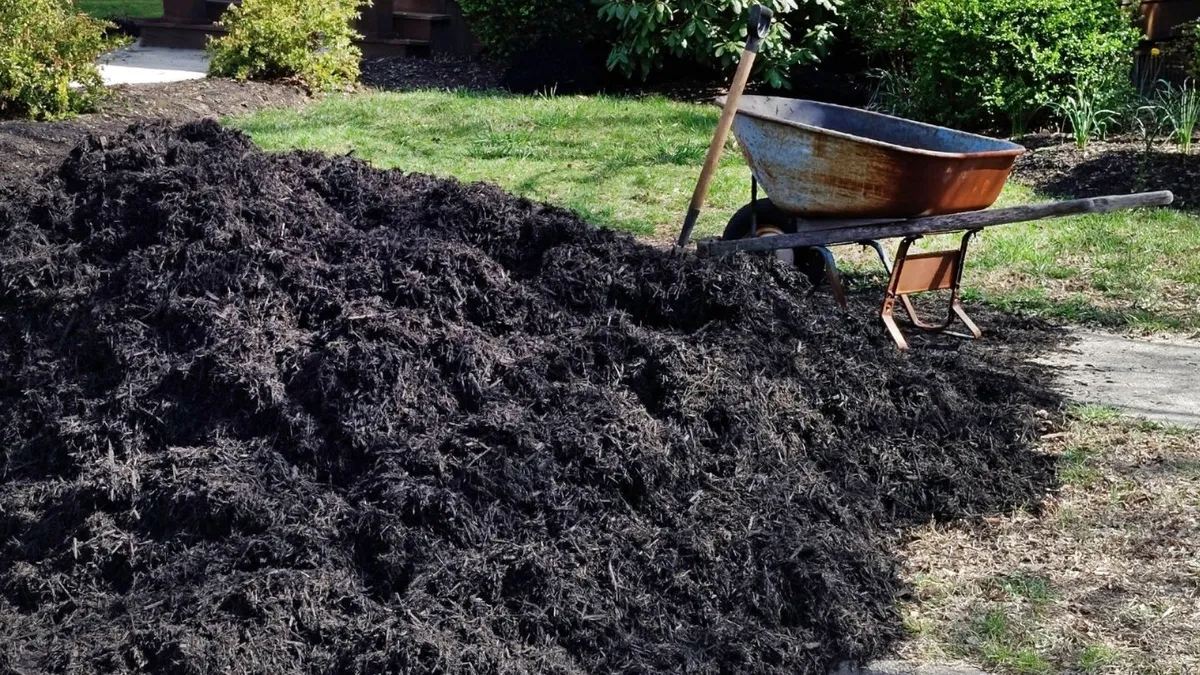
Shredded hardwood is the standard choice for Rochester yards and what we use most often — it knits together and holds its shape through winter wind and snow load better than loose wood chips. Dyed mulch is fine cosmetically, but skip anything sitting in a bag at a big box store since spring; older bagged mulch can go anaerobic and actually harm roots when it's finally spread. Fresh material matters more than color.
What This Week Looks Like
Walk your property and check every tree you planted in the last two years, along with any mature tree that's bare soil right now instead of a mulch ring. If the mulch from last year has broken down to less than an inch, top it off rather than piling a whole new layer on top — that's how volcano mounds happen over a few seasons without anyone meaning to build one.
Spartan Tree and Landscape handles mulching as part of routine yard care across Monroe, Wayne, and Ontario Counties, whether that's a single tree ring or a full property refresh before winter. We'll also flag anything else worth knowing about your trees' condition while we're out there. Visit our mulching services page for details, or call or text us at to get on the schedule before the ground freezes.
Request a free estimate online and we'll get back to you within a couple hours.