





Prepare your yard for tree removal by clearing the crew’s agreed access route, moving vehicles and loose belongings, keeping children and pets indoors, and confirming what happens to the wood, stump, and debris. For planned removal in Rochester, Webster, and eastern Monroe County in 2026, leave tree work and equipment decisions to the crew; your job is to make the property accessible and explain anything they cannot see.
- Tree removal Rochester NY: clear the agreed access route, not a route you choose without the crew.
- Confirm tree removal, stump grinding, wood handling, and cleanup separately in the written estimate.
- Keep children and pets away from the work area throughout removal and cleanup.
- Spartantreeny provides tree removal and stump grinding; confirm which services your individual estimate includes.
How do you prepare your yard for tree removal day?
Start with the written scope, then prepare the access route the crew approves. Use this tree removal estimate checklist to check that the tree, work area, wood handling, stump work, and cleanup expectations are clear before arrival.
- Confirm the tree. Walk through which tree is coming down and which nearby trees or plants must remain untouched. Do not rely on a description such as the big tree out back when several trees fit.
- Confirm access. Ask where the crew expects to enter, move equipment, and handle branches or logs. Tell them about gates, steps, slopes, and narrow spaces before work day.
- Move belongings. Clear movable items from the agreed route and work area. Leave heavy or fixed obstacles alone and flag them for the crew.
- Arrange parking. Move your vehicles before the crew needs access. Confirm where work vehicles can stand without blocking a neighbor’s driveway or creating a street hazard.
- Secure the household. Keep children and pets out of the yard. Tell anyone coming to the property that tree work is scheduled.
- Review the finish. Confirm what stays, what leaves, and whether stump grinding is included. Agree on how you will communicate if you cannot be home.
Why this matters
Tree removal preparation is not about tidying every corner of your property. It is about preventing an avoidable conflict between the removal plan and everyday use of your yard.
A locked gate, a car in the access route, or an unmentioned drainage feature needs attention before equipment moves. Tell the crew about a constraint instead of trying to solve it by cutting, digging, or moving something heavy yourself.
For your 2026 removal plan, judge readiness by whether the agreed route and scope still match the property. A clear lawn does not resolve an inaccessible gate or a disagreement about leaving logs behind.
Clear the agreed route, not the whole yard
Ask the crew to identify the route from the street or driveway to the tree. Do not assume the shortest route is the route they will use; equipment access, ground conditions, and nearby structures belong in that decision.
Move garden hoses, toys, portable planters, outdoor furniture, and other loose objects out of that route. Put them somewhere that will not become a second obstacle when the crew starts handling wood.
For a fenced backyard, explain how the gate opens and whether it has a lock or removable hardware. Do not remove fence panels on your own unless that task has been discussed and you can do it safely.
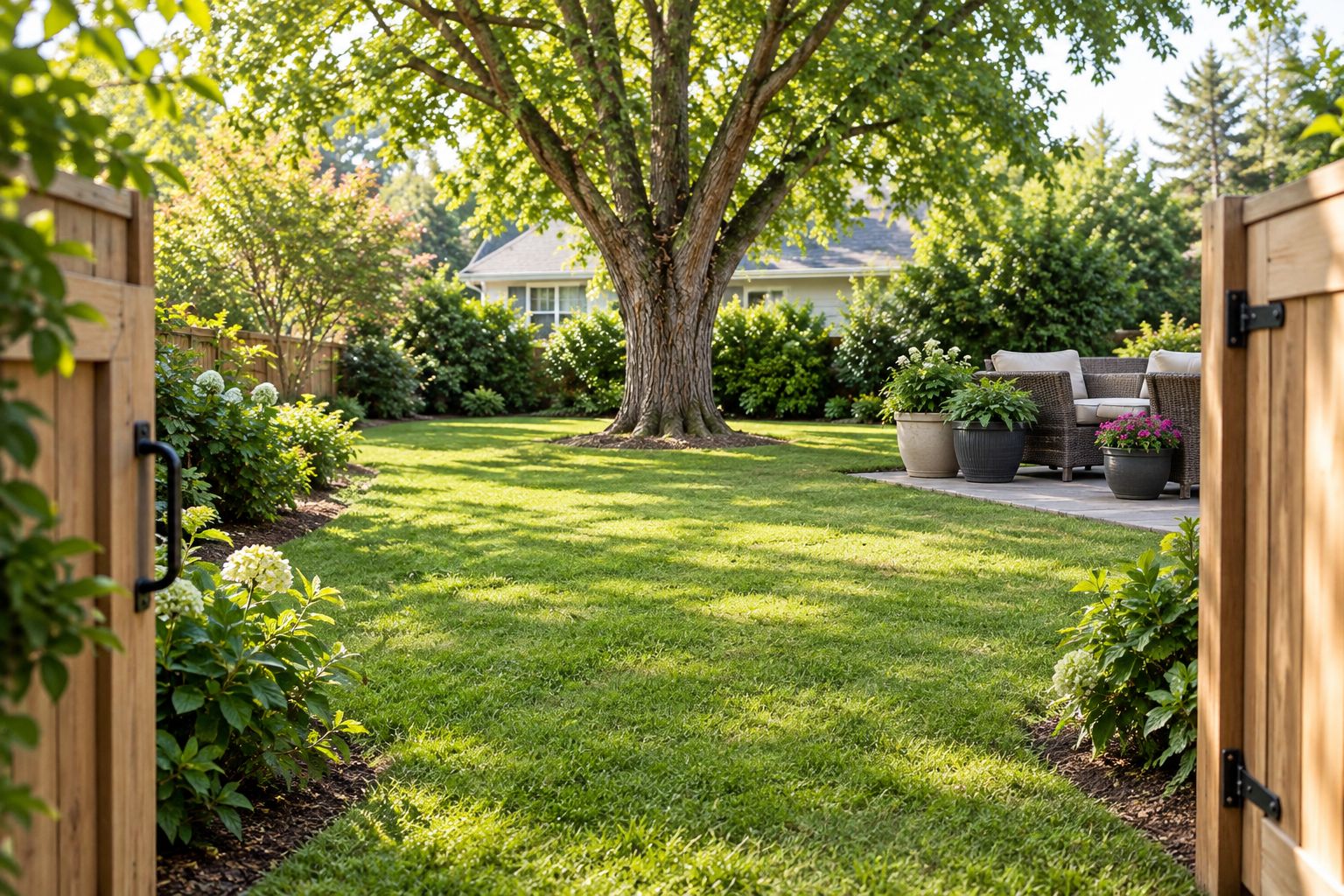
Leave sheds, play structures, and other fixed features in place. Describe them during the estimate so the removal plan accounts for them rather than treating them as arrival-day surprises.
Point out what is below the grass
Tell the crew about irrigation heads, shallow drainage features, septic components, invisible pet fencing, and other installations you know about. Share any useful records you have, but do not guess their locations.
If digging or stump grinding is included, confirm who is arranging any required utility locating before ground disturbance begins. Do not treat your own markings as a substitute for that process.
Move vehicles and explain parking constraints
Ask where trucks, trailers, and equipment need access before deciding which parking spaces to clear. A driveway space that looks convenient to you might be part of the crew’s working route.
Move your own vehicles before work begins, including a car you expect to need later. Do not plan on walking through an active work area to retrieve it.
Tell the crew about shared driveways, private access arrangements, or parking restrictions you already know apply. If your neighbor’s cooperation is needed, discuss that before removal day rather than promising access you do not control.
Do not reserve space by blocking a road or placing objects in traffic. Ask the crew how parking and street access will be handled for your property.
Protect belongings without entering a hazardous area
Move portable items from the area the crew identifies, not just from directly beneath the tree. Branch handling and cleanup need space too.
Useful items to discuss include:
- Patio furniture: Move chairs, tables, cushions, and umbrellas together so nothing is left behind.
- Children’s belongings: Clear toys, bikes, and portable play equipment from the agreed area.
- Garden items: Move pots, hoses, decorative lights, and movable ornaments.
- Outdoor equipment: Relocate grills and other portable equipment only when you can handle them safely.
- Fixed features: Identify fences, landscape lighting, retaining walls, and structures that cannot move.
Ask before covering shrubs or garden beds. The crew needs to see obstacles and decide how to work around them; a cover is not a substitute for discussing protection.
If the tree has hanging limbs, fresh damage, or another apparent hazard, stay out from underneath it. Leave belongings where they are until the crew says they can be retrieved safely.
Keep children, pets, and visitors out of the work area
Arrange for children and pets to remain indoors or away from the property during the work. An open gate and a familiar backyard do not make an active removal area safe.
Use a secure room or another arrangement that does not depend on the backyard fence staying closed. Tell the crew about pets before they open a gate, and keep pet access doors secured.
Let household members, visitors, and scheduled contractors know that the yard is unavailable during removal. Redirect deliveries so nobody needs to cross the work area to reach a door.
If you need to speak with the crew, use the communication method agreed before work starts. Never walk beneath the tree or approach operating equipment to get someone’s attention.
Confirm wood, stump, and cleanup decisions separately
Your 2026 written estimate should distinguish removing the tree from dealing with everything left afterward. Do not assume stump grinding, retained firewood, or a particular level of ground restoration is included because the estimate says tree removal.
Discuss these choices before the crew starts cutting. The right choice depends on what you want to use the yard for and what work you are prepared to handle afterward.
| Scope choice | Best for | Practical benefit | Limitation to confirm |
|---|---|---|---|
| Wood hauled away | Homeowners who do not want to handle retained wood | Avoids leaving logs for you to move or process | Confirm what wood and debris the crew will remove |
| Wood retained | Homeowners with an agreed use and storage location | Keeps selected wood on the property | Logs still need handling; do not assume cutting or splitting is included |
| Stump grinding included | Homeowners who want the stump addressed as part of the project | Adds stump work to the agreed scope | Confirm grindings, backfill, and the intended finish |
| Stump left in place | Homeowners who accept a remaining stump | Keeps stump work outside the removal scope | The stump remains an obstacle and affects future use of that spot |
Define what cleanup means
Ask whether the scope includes removing branches, raking loose debris, and clearing affected hard surfaces. If you want wood left, agree on a location that does not block access or create another job you cannot safely manage.
Be specific about lawn repair, backfill, and reseeding. A cleaned work area and a restored lawn are different outcomes, so put the intended finish in writing rather than relying on the word cleanup alone.
Why yard preparation varies between Rochester properties
The preparation checklist stays useful across Rochester, Webster, and eastern Monroe County, but the work plan must match the property. These are the details to settle during an individual estimate:
- Access: Gate openings, steps, and narrow passages affect how the crew reaches the tree.
- Tree size: The size of the tree affects the amount of material that must be handled.
- Nearby structures: Houses, garages, fences, and overhead lines need to be part of the discussion.
- Ground conditions: Soft areas, slopes, and drainage concerns need assessment before equipment enters.
- Cleanup scope: Hauling wood away, retaining logs, and addressing the stump create different preparation needs.
Describe changes since the estimate, including new fencing, landscaping, parked equipment, or storm damage. For a 2026 job, current site conditions matter more than an older photo of an open yard.
Do you need to be home for tree removal?
You need an agreed communication and access plan, whether you stay home or leave. Confirm the tree, parking, gate access, retained wood location, and cleanup scope before the crew begins.
If you will be away, provide a way to reach you about an unexpected site issue. Do not assume that leaving a gate unlocked answers every question about the job.
Should you tell your neighbors before removal day?
Tell neighbors when planned removal affects a shared driveway, boundary access, or arrangements they need to make. A brief conversation can clarify expectations, but it does not grant permission to use their property.
Confirm any required permission before the crew relies on neighboring land for access. If ownership or the boundary is disputed, resolve that question before scheduling work on the disputed tree.
What if weather or tree damage changes before arrival?
Report changed conditions before the crew arrives, especially new broken limbs, a changed lean, or damage near the planned route. Let the crew decide whether the original work plan still applies.
Do not walk under a damaged tree to prepare the yard. If branches contact a power line, stay away and contact the utility; do not attempt to move the branches or line.
Get an estimate that matches your yard
Spartantreeny tree removal is a fit for Rochester-area homeowners seeking planned removal and direct coordination with the crew. Explain access, nearby structures, and your preferred cleanup outcome when you request an individual estimate.
Careful removal starts with a clear scope, and thorough cleanup needs a shared definition. Confirm those details directly with the crew rather than treating an online description as a guaranteed quote or finish.
FAQ
What should I move before tree removal?
Move vehicles and loose belongings from the access route and work area agreed with the crew. Include patio furniture, toys, hoses, and portable planters, but leave hazardous retrievals and heavy obstacles for discussion.
How much space does a tree removal crew need?
The crew must determine the space needed for your tree, equipment, and property layout. Do not use a generic clearance measurement to decide where people or belongings are safe.
Should I take down my fence before tree removal?
Do not take down your fence unless the access plan specifically calls for it and responsibility is agreed. Tell the crew about gate and fence constraints during the estimate.
Can my dog stay in the backyard during tree removal?
Keep your dog out of the backyard during tree removal and cleanup. Gates can be open, and the yard remains a work area until the crew releases it.
Does tree removal include stump grinding?
Tree removal includes stump grinding only when your agreed scope says it does. Spartantreeny offers both services, so confirm stump work and handling of the grindings in your individual estimate.
What should my 2026 tree removal estimate say about cleanup?
Your 2026 tree removal estimate should describe wood removal, debris cleanup, stump work, and any agreed ground restoration. Ask what remains on the property when the job is finished.
Can I help the crew carry branches?
Stay outside the work area unless the crew has explicitly agreed otherwise. Carrying branches near cutting, lowering, or operating equipment is not a homeowner preparation task.
Who should I contact about planned tree removal in Rochester?
Spartantreeny provides tree removal for homeowners and property owners in the Rochester, NY area. Discuss your access constraints, nearby structures, and cleanup expectations when arranging an individual estimate.
One last thing
Before your 2026 removal day, photograph the gate, access route, nearby fixed features, and the spot where any retained wood will go. Use those photos to clarify the plan with the crew, not to decide how the tree should be cut.
The best final check is a shared understanding of what stays and what leaves. A clear yard helps; a clear scope prevents a different kind of mess.