





A tree removal estimate should identify the exact tree, describe the removal work, and spell out debris handling, stump work, property protection, scheduling, and payment terms in writing. It should also make exclusions clear: cutting down a tree does not automatically include grinding its stump, hauling every piece of wood, or repairing the lawn afterward.
- What should a tree removal estimate include? Written removal scope, cleanup, stump work, property protection, and payment terms.
- Compare tree removal estimates by matching the work included, not just the total.
- Spartantreeny serves Rochester-area homeowners needing tree removal and related tree care.
- Request an individual estimate that addresses access, nearby structures, and where equipment will travel.
Why this matters
For a planned removal in Rochester, Webster, or eastern Monroe County, the useful question is not just what the job totals. It is what your property will look like when the crew leaves. An estimate that says only remove tree leaves too much room for disagreement.
Access, tree size, nearby structures, and cleanup scope affect the work involved. The guide to why tree removal quotes vary explains those differences. Compare the same finished job before comparing the totals.
What should a tree removal estimate include?
Use this checklist when reviewing a tree removal estimate in 2026. Ask the contractor to put each relevant item in writing before you approve the work; a conversation in the driveway is not a substitute for a clear scope.
1. The exact tree and property location
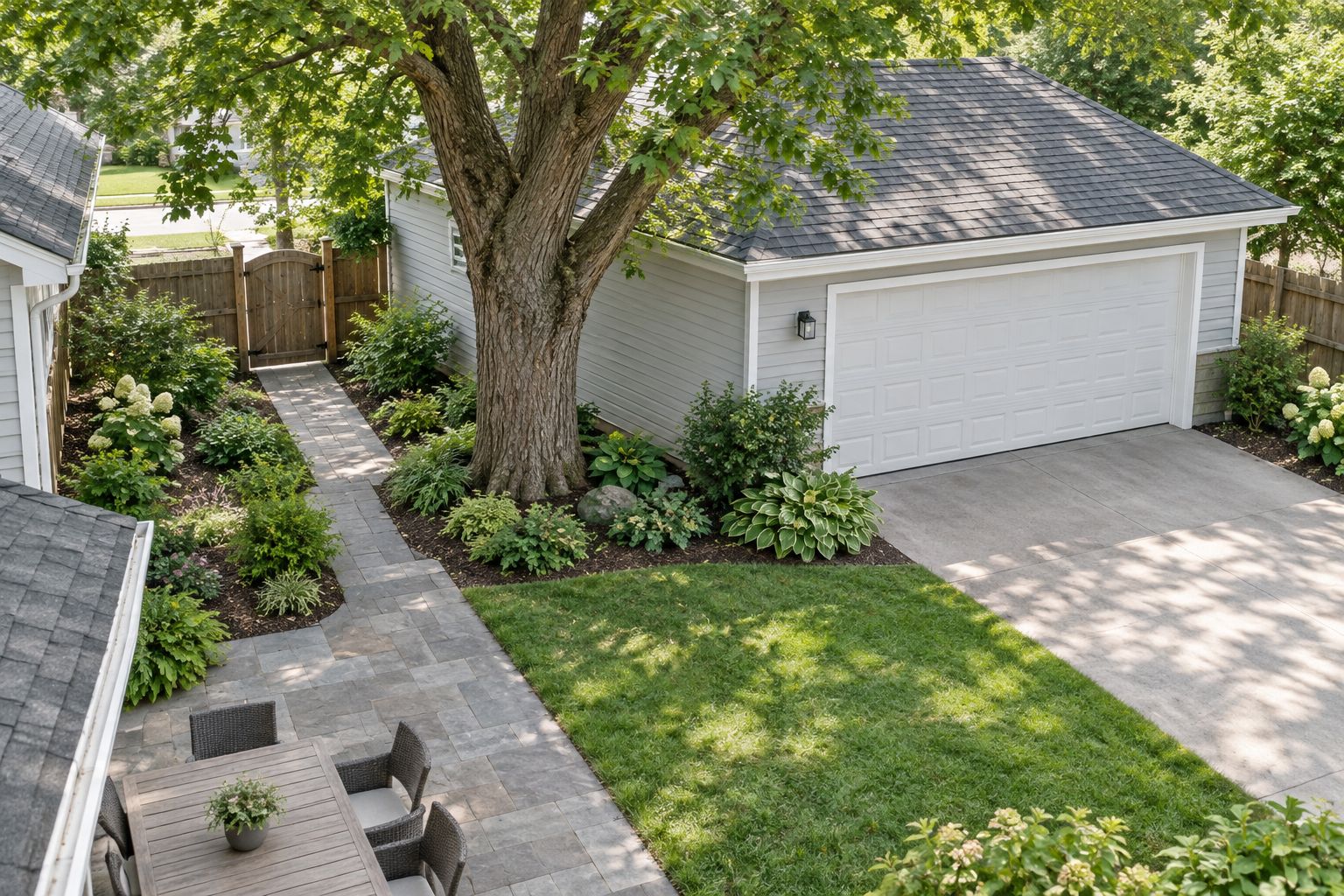
The estimate should show the property address and identify each tree being removed. A description such as large maple beside the detached garage is more useful than backyard tree, especially when several trees stand close together.
Ask the estimator to mark the trees or attach reference photos if identification is unclear. Make sure the person scheduling the job and the crew doing the work can identify the same tree without relying on your memory. If neighboring trees must remain untouched, say so explicitly.
2. The removal scope
The written scope should distinguish complete tree removal from pruning, reducing a canopy, or removing only a damaged limb. Those are different jobs with different outcomes. Do not approve wording that leaves the intended result open to interpretation.
Ask whether the estimate covers the whole standing tree and what remains above ground afterward. The crew should determine the safe work method after assessing the site; your job is to make sure the agreed result is documented, rather than prescribing how the crew must cut the tree.
3. Access and equipment arrangements
Show the estimator the actual route into the yard, including gates, narrow passages, slopes, steps, and soft ground. Point out anything that limits access rather than assuming equipment can pass through.
The estimate should record access arrangements that affect your responsibilities or the scope. That includes moving vehicles, clearing a driveway, temporarily removing a fence section, or obtaining permission to cross neighboring property. Do not promise access across land you do not control. Resolve permission before scheduling, not when the crew arrives with equipment.
4. Protection for nearby structures and landscaping
Identify the house, garage, fence, patio, garden beds, and other features near the tree or equipment route. Ask how the crew plans to protect them and what site preparation you must handle.
Document any agreed ground protection and any limits on where equipment can travel. Protection and restoration are separate subjects: putting protection down does not answer whether repairing disturbed turf is included. If the lawn's condition matters to you, ask the estimator to address that outcome directly rather than treating careful removal as a lawn-repair promise.
5. Wood, branches, and brush handling
The estimate should say whether the crew will haul away wood and brush or leave some material on the property. If you want wood retained, agree on where it will go and what processing is included.
Leaving trunk sections is not the same as cutting, splitting, and stacking firewood. Likewise, chipping branches does not tell you whether the chips leave with the crew. Specify the finished arrangement so you do not discover a pile of material you expected to disappear.
6. Stump grinding and the finished stump area
Tree removal and stump grinding need separate wording. Ask whether grinding is included, excluded, or listed as an optional item, and whether it covers any exposed roots you want addressed.
Then ask what happens to the grindings and the resulting depression. Removing grindings, bringing in soil, grading, and seeding are distinct tasks. If your goal is a mowable lawn or a planting bed, describe that goal during the estimate. Do not assume stump removed means the ground will be ready for your next project.
7. Cleanup and hauling limits
Define cleanup in terms you can check: wood and brush hauled away, work areas raked, and affected paved surfaces cleared of job debris. Ask whether the crew will also clear debris from the equipment route.
Avoid relying on full cleanup without an explanation. A tidy work area, removal of stump grindings, and lawn restoration are different deliverables. The estimate should show which are included and identify any material intentionally left behind. That gives you and the crew the same finish line.
8. Scheduling and change procedures
The estimate should explain how scheduling works and what happens if weather or site conditions change the plan. Ask who will notify you and whether you need to be present for access or a final walkthrough.
Also establish how additional work gets approved. If you request another tree removal or extra stump work after accepting the estimate, get a written change before that work begins. A clear approval process protects the scope; a casual request can leave the paperwork behind the job.
9. Payment terms and exclusions
The written estimate should state the payment schedule, accepted payment arrangements, and any deposit requirement. It should identify optional work separately so you know what accepting the base scope authorizes.
Ask the contractor to list exclusions rather than leaving them implied. Common subjects to clarify include stump work, retained wood, restoration, fence work, and additional trees. For your 2026 project, keep the accepted version of the estimate together with any later changes so the final agreement stays easy to follow.
10. Contractor identity and insurance verification
The estimate should identify the business providing the work and give you a clear contact for questions. Ask whether employees or subcontractors will perform the removal and who will supervise the job.
Request current insurance documentation relevant to the work, including general liability and workers' compensation where applicable. Verify coverage with the insurer or agent rather than treating a logo or the word insured as proof. A written estimate describes the job; insurance documentation addresses a separate part of hiring the contractor.
Compare removal scopes, not just totals
A homeowner who wants an empty yard is buying a different finished result from a homeowner who wants to keep the wood. Neither scope is automatically better. Match the estimate to what you want left behind.
| Scope | Best for | Main benefit | Limitation to resolve |
|---|---|---|---|
| Removal with debris hauling | Homeowners who want the wood and brush gone | Avoids leaving the main debris for you to handle | Stump work and restoration still need separate wording |
| Removal with wood retained | Homeowners who have a use and space for the wood | Keeps the agreed material on your property | Cutting, splitting, moving, and stacking are not automatic |
| Removal with stump grinding | Homeowners who want the stump reduced below ground level | Addresses the stump as well as the standing tree | Grindings removal, soil, and seeding need clarification |
When comparing 2026 estimates, mark every item as included, excluded, or unresolved. Ask for clarification on unresolved items before choosing a contractor. A shorter estimate is not necessarily a worse estimate, but missing scope makes a fair comparison harder.
Why tree removal estimates vary
These site and scope factors explain why neighboring properties can require different removal plans:
- Tree size and structure: The amount of material and the condition of the tree affect how the crew approaches removal.
- Access: A clear approach differs from a narrow gate, steep route, or yard that equipment cannot readily enter.
- Nearby structures: Roofs, fences, garages, and other obstacles affect the available working space.
- Cleanup scope: Hauling everything away differs from leaving agreed wood or chips on site.
- Stump and restoration work: Grinding, handling grindings, adding soil, and repairing lawn areas add distinct tasks.
- Urgency and site hazards: A planned removal is not the same assignment as a tree already resting on a structure or creating an immediate hazard.
Walk the estimator through the full property, not just the tree. A gate or fragile patio along the route can matter as much as an obstacle beside the trunk.
Does a tree removal estimate include stump grinding?
Stump grinding is included only when the written estimate includes it. Ask for a separate description covering the stump, any agreed root work, and what happens to the grindings.
If you plan to seed the area after removal in 2026, ask what preparation remains your responsibility. A ground-down stump and a finished lawn are different outcomes.
Should cleanup be included in a tree removal estimate?
Cleanup should be described in every tree removal estimate, even when you choose to retain material. The point is not to require identical cleanup on every property; it is to agree on what stays and what leaves.
Specify where retained wood or chips will sit. Keeping material is useful only when its location and condition suit your plans.
How do I request a useful estimate in Rochester or Webster?
Ask for an on-site assessment and describe the finished result you want. Tell the estimator about access restrictions, nearby structures, wood you want retained, and whether stump work belongs in the same project.
Spartantreeny is best for Rochester-area homeowners seeking tree removal and related yard work from the same business. Spartantreeny provides tree removal, trimming, stump grinding, planting, and mulching, so identify which services you actually need rather than asking for an undefined yard cleanup.
For a Spartantreeny tree removal estimate, ask who you will deal with on site and have careful removal and thorough cleanup translated into specific written tasks. The benefit of combining related work is a coordinated scope; the limitation is that each task still needs its own description.
Request a property-specific estimate
Discuss the tree, access, cleanup, and stump work for your Rochester-area property.
FAQ
What should a tree removal estimate include before I sign?
A tree removal estimate should identify the tree, removal scope, access arrangements, debris handling, stump work, cleanup, payment terms, and exclusions. Resolve unclear items in writing before accepting it.
Is a verbal tree removal estimate enough?
A written tree removal estimate gives you a record of the agreed work that a verbal discussion does not. Ask for the scope, exclusions, and payment terms in writing before approval.
Does tree removal include hauling away the wood?
Tree removal includes wood hauling only when the agreed scope says it does. If you keep the wood, document its location and whether cutting, splitting, or stacking is included.
Will the tree crew repair my lawn afterward?
Lawn repair is included only if the estimate specifies it. Ground protection, stump grinding, grading, and seeding should not be treated as interchangeable tasks.
Should I ask a tree removal contractor for insurance documents?
Yes, request current insurance documentation relevant to the work and verify it with the insurer or agent. Keep that verification separate from reviewing the removal scope.
Can I get a firm tree removal estimate from photos?
Photos help explain the tree and property, but an on-site assessment lets the estimator examine access and nearby obstacles directly. Ask whether any photo-based estimate remains subject to a site visit.
What if I want more work after accepting the estimate?
Get a written change describing the added work before it begins. Keep the change with the accepted estimate so the crew and homeowner follow the same agreement.
One last thing
Before your 2026 removal, take 3 reference photos: the marked tree, the access route, and the area where you expect cleanup or restoration. Use them to discuss the scope, not to replace the site assessment.
Then ask one final question: What will still be here when the crew leaves? The answer should match the estimate, down to the stump, retained wood, and disturbed ground.